
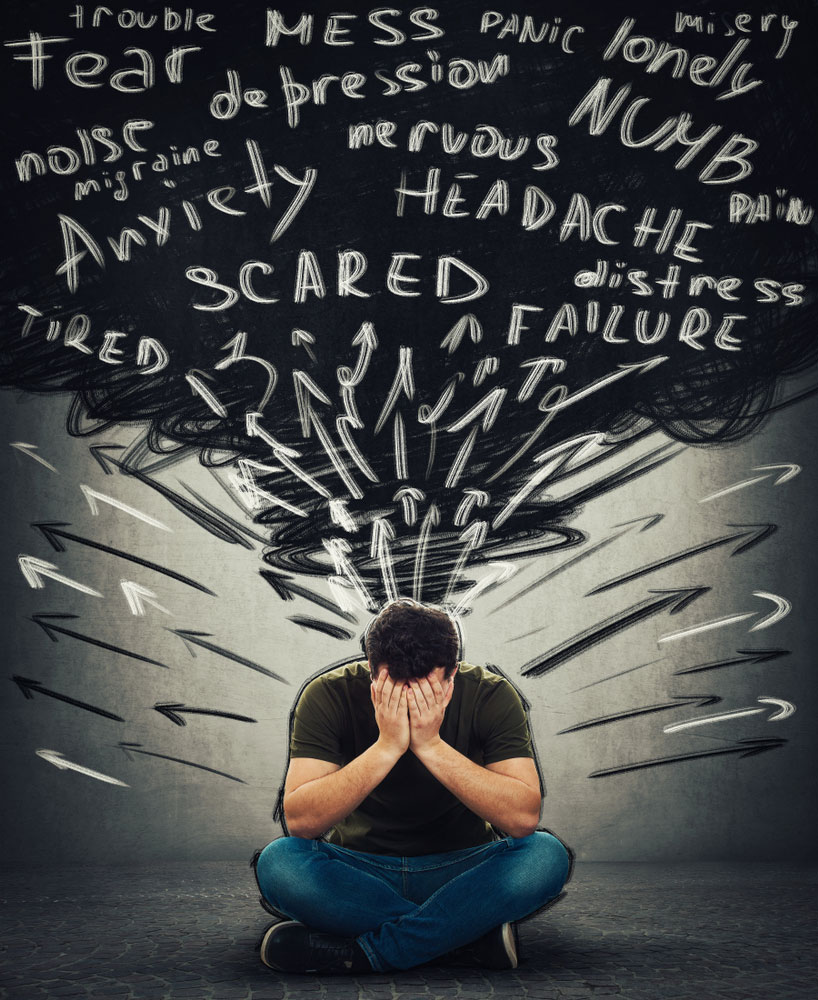
For many of my patients, the most crippling aspect of their ADHD is not the inattention or impulsivity — it is the emotional pain that often accompanies the condition. Many adults with ADHD struggle with an intense emotional reaction to perceived rejection, criticism, or failure known as Rejection Sensitive Dysphoria (RSD).
RSD is strongly associated with ADHD, with some experts estimating that up to 70% of adults with ADHD experience it to some degree. For these individuals, even minor social slights, constructive feedback, or feelings of disappointment can trigger overwhelming emotional distress that lingers long after the event has passed.
What Is Rejection Sensitive Dysphoria?
Attention-Deficit/Hyperactivity Disorder is commonly thought of as a disorder involving distractibility, impulsivity, and hyperactivity. However, many adults with ADHD experience profound emotional dysregulation as well.
Rejection Sensitive Dysphoria refers to an extreme emotional sensitivity to:
- Real or perceived rejection
- Criticism
- Failure
- Disapproval
- Feeling excluded or misunderstood
The word dysphoria comes from Greek and means “difficult to bear,” which accurately reflects how emotionally devastating these experiences can feel for someone with RSD.
Individuals experiencing RSD often describe the emotional pain as:
- Sudden
- Intense
- Disproportionate to the situation
- Physically painful
- Difficult to regulate or “snap out of”
Who Discovered RSD?
William Dodson, a psychiatrist specializing in ADHD, coined the term Rejection Sensitive Dysphoria in the 1990s and later formalized his clinical observations through papers and educational resources.
Dr. Dodson noticed that the vast majority of his adult ADHD patients described a sudden, catastrophic emotional pain triggered by real or perceived rejection. He introduced the term RSD to give a medical framework to this highly specific form of emotional dysregulation associated with ADHD.
How Does RSD Show Up in Adults With ADHD?
Adults with ADHD can experience RSD in very different ways. Some individuals internalize the pain, directing it inward toward themselves, while others externalize it outwardly toward others or their environment.
Internalized RSD
Internalizers may appear quiet, withdrawn, or highly self-critical. Common symptoms include:
- Shame spirals
- Sudden mood drops
- Relentless rumination
- Intense embarrassment
- Harsh self-criticism
- Physical sensations of emotional pain, such as chest tightness, nausea, or exhaustion
Many adults with internalized RSD become highly sensitive to interpersonal dynamics and may spend hours or days replaying conversations in their minds.
Externalized RSD
Externalizers may respond more visibly when emotionally triggered. Symptoms can include:
- Defensiveness
- Irritability
- Anger or rage
- Emotional outbursts
- Conflict in relationships
- Impulsive reactions to criticism
While these reactions may appear disproportionate to outsiders, they are often driven by an overwhelming sense of emotional threat.
Common Behavioral Patterns in Adults With RSD
To protect themselves from the possibility of rejection and emotional pain, many adults with ADHD unconsciously develop chronic coping patterns.
People-Pleasing
Some individuals become highly accommodating, constantly seeking approval and validation from others to avoid criticism or abandonment.
Avoidance
Others avoid situations where rejection could occur, including:
- Dating
- Job applications
- Social gatherings
- Difficult conversations
- Pursuing goals or opportunities
This avoidance can significantly limit personal and professional growth.
Perfectionism
Many adults with ADHD develop perfectionistic tendencies to prevent mistakes, criticism, or disappointment. Unfortunately, perfectionism often increases anxiety, procrastination, burnout, and feelings of inadequacy.
Is RSD Frequently Misdiagnosed?
Yes — very frequently.
Because emotional dysregulation is not emphasized in the traditional diagnostic criteria for ADHD, many clinicians fail to recognize RSD as part of the ADHD experience. Instead, patients are often diagnosed with other psychiatric conditions that also involve mood instability or emotional sensitivity.
Common Misdiagnoses
RSD is commonly mistaken for:
- Bipolar Disorder, especially rapid-cycling presentations
- Borderline Personality Disorder
- Major Depressive Disorder
- Social Anxiety Disorder
Why Misdiagnosis Happens
ADHD’s Emotional Component Is Often Overlooked
Traditional ADHD diagnostic criteria focus heavily on:
- Inattention
- Hyperactivity
- Impulsivity
The emotional component of ADHD was historically underrecognized, leaving many clinicians insufficiently trained to identify RSD.
Emotional Symptoms May Overshadow ADHD Symptoms
Adults often seek treatment because of emotional suffering rather than concentration problems. As a result, clinicians may diagnose mood symptoms alone while missing the underlying ADHD entirely.
How Is Rejection Sensitive Dysphoria Treated?
Although RSD can be incredibly painful, treatment can significantly improve quality of life.
Appropriate Recognition and Diagnosis
The first step is recognizing that these emotional reactions may be connected to ADHD rather than personal weakness, “overreacting,” or character flaws.
For many patients, simply understanding RSD can be deeply validating and reduce years of shame and confusion.
Medication
Both stimulant and non-stimulant ADHD medications may help reduce emotional reactivity in some individuals. Alpha-2 adrenergic agonist medications, such as clonidine, are often prescribed off-label to target rejection sensitivity. Treatment should always be individualized and discussed with a qualified psychiatric provider.
Specialized Psychotherapy
Therapy can help patients:
- Develop emotional regulation skills
- Reduce shame and self-criticism
- Improve interpersonal relationships
- Address perfectionism and avoidance
- Build resilience to criticism and rejection
Final Thoughts
Rejection Sensitive Dysphoria is one of the most painful — and least understood — aspects of adult ADHD. Many individuals spend years believing they are “too sensitive,” emotionally unstable, or fundamentally flawed without realizing their experiences may be neurologically based.
With proper recognition, treatment, and support, adults with ADHD and RSD can learn to manage emotional intensity, improve relationships, and experience a far greater sense of self-understanding and stability.