
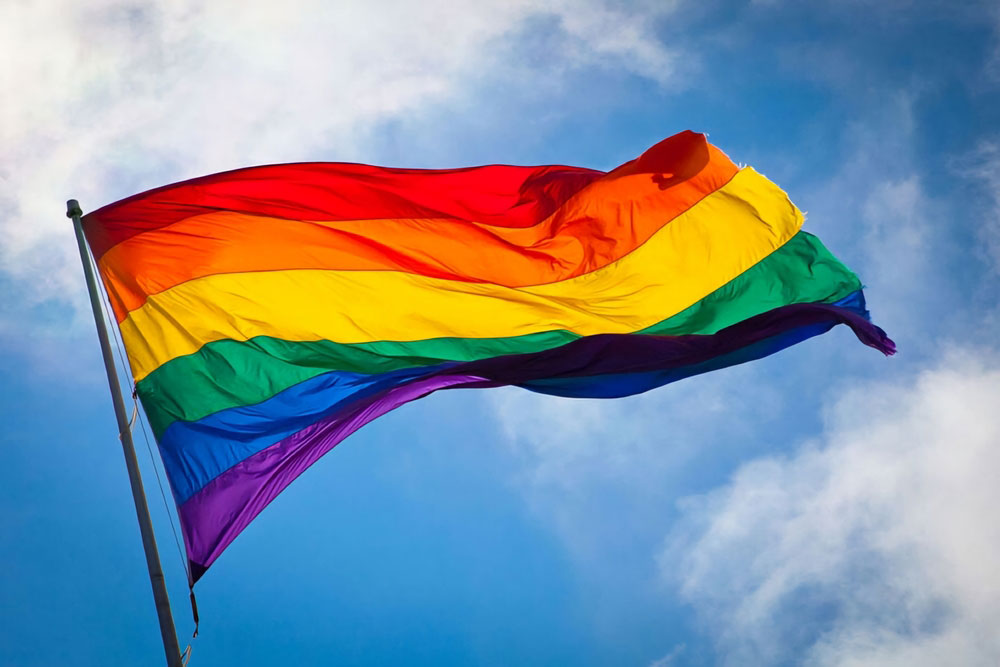
June is PRIDE Month, and in honor of this event I’d like to talk about something that my patients and I have been noticing for years – something that is now supported by an increasing amount of research: the connection between neurodivergence, gender dysphoria, and transgender identity.
Research suggests that transgender and gender-diverse identities are more common among autistic individuals than among neurotypical individuals. As a psychiatrist who works with many neurodivergent patients, this is something I see regularly in my practice.
The reasons for this connection are not entirely clear. Researchers have proposed a variety of explanations, but no single theory fully explains why autism and gender diversity appear to overlap more frequently than expected.
What is clear is that being both neurodivergent and transgender can sometimes create unique challenges. Many individuals find themselves navigating questions about identity, belonging, and self-acceptance while also coping with the demands of living in a world that often feels designed for neurotypical people.
People with both autistic and transgender identities may be more likely to experience:
- Anxiety
- Depression
- Social isolation
- Self-doubt
- Feelings of being misunderstood
- A sense of being a “minority within a minority”
Some people also find that autism can influence how they experience and express their gender identity. For example:
- It may take longer to find the words to describe how they feel.
- Sensory sensitivities may affect clothing choices, hairstyles, or feelings about certain aspects of their body.
- Social differences may make it harder to relate to traditional expectations about gender.
- Difficulties with change or uncertainty can make exploring identity feel overwhelming at times.
If any of this sounds familiar, you are not alone.
One of the most important things I want my patients to know is that there is no “right” way to be autistic, transgender, gender-diverse, or questioning. Every person’s experience is different. Some people know who they are from an early age. Others spend years trying to understand themselves. Both experiences are valid.
Seeking support can be helpful, whether that means connecting with affirming friends and family, finding a therapist who understands neurodivergence and gender diversity, or simply giving yourself permission to explore these questions without judgment.
You do not need to have all the answers today. Identity is often a journey rather than a destination.
As we celebrate PRIDE Month, I encourage all of us to remember that diversity comes in many forms. Whether your differences involve the way your brain works, the way you experience gender, or both, those differences are not flaws to be fixed. They are part of what makes you uniquely you.
The goal is not to fit into someone else’s definition of who you should be. The goal is to better understand yourself and build a life that feels authentic, meaningful, and true to who you are.