
As a psychiatrist, I am deeply passionate about highlighting ADHD in communities that have historically been overlooked. We’ve already explored how ADHD is frequently missed in adults and in women. In honor of Black History Month, I want to dedicate this space to discussing ADHD in African Americans – a group that has long faced disparities in recognition, diagnosis, and treatment.
Research consistently shows that African American children and adults are diagnosed with and treated for ADHD at significantly lower rates than their white counterparts despite having similar, and in some studies higher, levels of symptoms. This gap is not about prevalence. It is about access, bias, and systemic inequities.
Why Is ADHD Missed or Misdiagnosed in African Americans?
1. Disparities in Healthcare Access
Limited access to culturally competent providers, insurance barriers, and systemic inequities in healthcare all contribute to lower rates of evaluation and treatment.
2. Mistrust of the Healthcare System
Given the historical and ongoing injustices in American medicine, mistrust is understandable. This can make families hesitant to pursue evaluations or treatment.
3. Stigma Around Diagnostic Labels
For many, receiving a psychiatric diagnosis can feel stigmatizing. Labels may compound feelings of shame or inadequacy, particularly in communities where strength and resilience have been essential for survival.
4. Implicit Bias
Implicit bias plays a significant role. Studies show that Black children are more likely to be labeled with conduct disorder or oppositional behaviors rather than ADHD. Adults may be misdiagnosed with personality disorders or have their symptoms attributed to socioeconomic stressors rather than neurodevelopmental differences.
5. The “Research Prototype” Problem
Historically, ADHD research was conducted primarily on white male children. As a result, African Americans – especially women and adults – often do not fit the stereotypical image of ADHD and are overlooked.
6. Anxiety, Depression or PTSD Take Center Stage
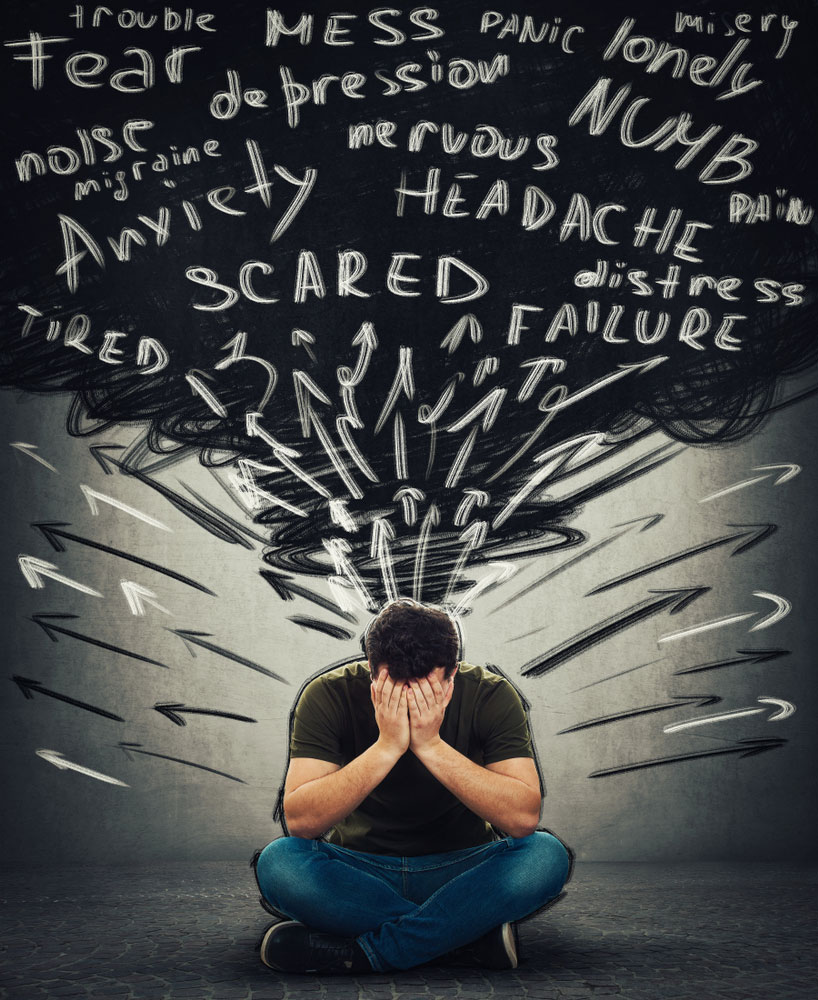
Many African American individuals seek help for anxiety, depression, or trauma-related symptoms. These conditions are real and deserve treatment, however, when ADHD co-occurs (as it often does), it may go unrecognized. ADHD symptoms such as disorganization, emotional dysregulation, and difficulty sustaining attention can contribute to anxiety and depression. If the underlying ADHD is not addressed, treatment may only partially help.
7. Compensation
ADHD often flies under the radar in high-achieving individuals. Intelligence, structure, perfectionism, and overachievement can mask executive functioning challenges for years. Many African American adults I evaluate describe working twice as hard to maintain performance: staying up late, overpreparing, or relying heavily on rigid routines. These compensatory strategies can be adaptive, but they can also lead to burnout, anxiety, and chronic self-doubt.
Moving Forward
ADHD is not a character flaw. It is not laziness. It is not a lack of discipline. It is a neurodevelopmental difference that deserves understanding and appropriate care. If you are a person of color and suspect you may have ADHD, I encourage you not to dismiss your concerns. You deserve to be heard. You deserve a thoughtful evaluation. And you deserve treatment that sees you in your full cultural and personal context.Greater awareness is one small step toward closing the gap. Conversations like this matter – not just during Black History Month, but all year long.