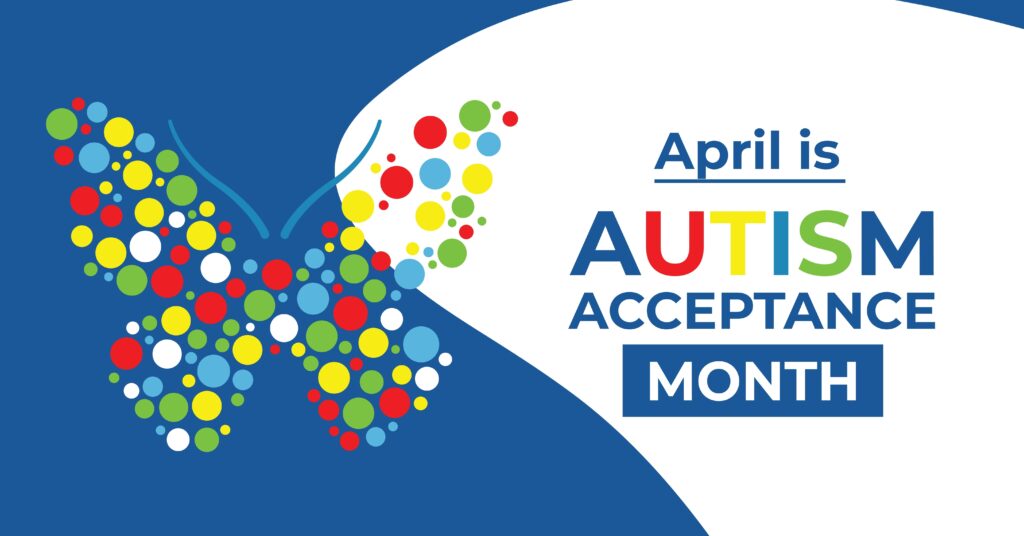
April is Autism Awareness and Acceptance Month, and in honor of this occasion, I’d like to dedicate this post to raising awareness of autism in the individuals we’ve historically overlooked: high-functioning adults, women, and those with co-occurring ADHD.
When I completed my psychiatry training, I did not expect to work with autistic individuals at all. My education had framed autism as something primarily diagnosed in childhood – most often in young boys who were nonverbal or socially isolated, sometimes portrayed as savants (think Dustin Hoffman in Rain Man). As someone planning a career in adult psychiatry, I never imagined that autistic individuals would become such a meaningful and growing part of my practice.
Fast forward to 2026, and our understanding of autism has evolved tremendously. The concept of the spectrum has expanded, allowing us to better recognize those who were previously missed – especially high-functioning adults, women, and individuals with both ADHD and autism, often referred to as “AuDHD.”
Those Who Are Frequently Missed
High-Functioning Adults
Historically, autism was associated with individuals requiring significant support: those who were minimally verbal or needed intensive care. While this remains true for some, it led us to overlook those with milder or more subtle presentations.
Many high-functioning autistic adults are articulate, intelligent, and capable. In fact, they often leverage their traits as strengths – strong verbal abilities, deep focus, a heightened sense of justice and fairness, and a preference for logic, structure, and order.
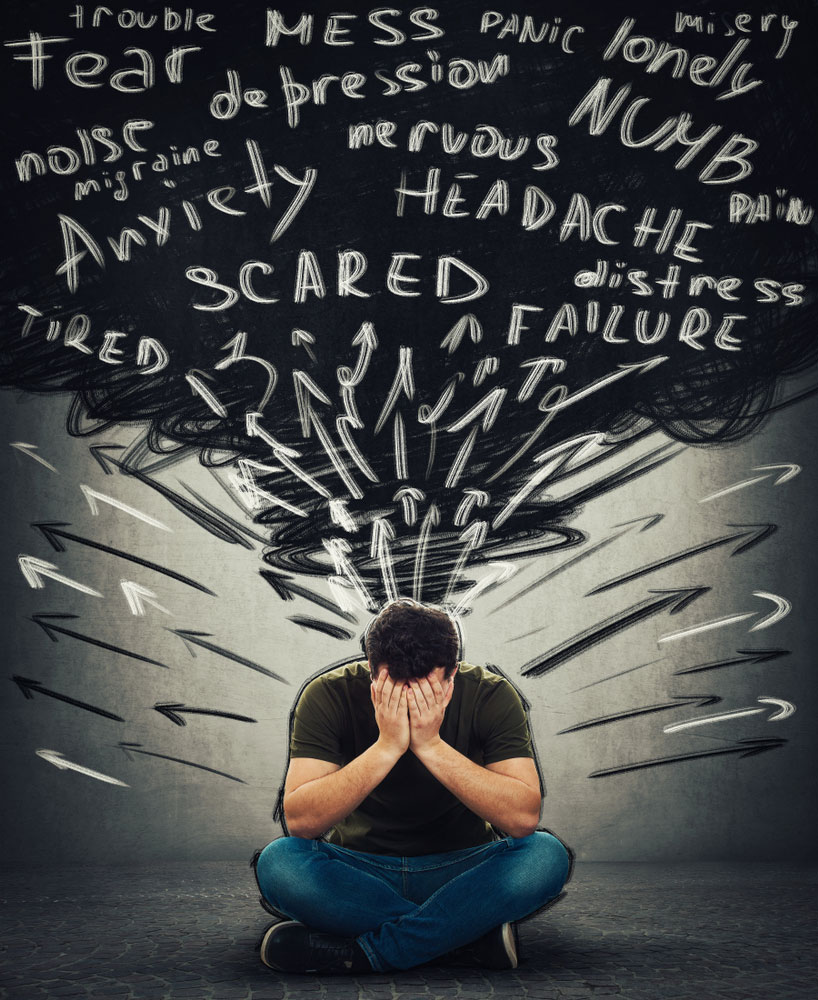
At the same time, they may quietly struggle with social nuances, rigid thinking patterns, sensory sensitivities, and co-occurring conditions such as anxiety or OCD. Because they “function well” on the surface, their internal challenges are often minimized or missed entirely.
Women and Girls
For decades, autism research focused primarily on males, reinforcing the stereotype of autism as a “male condition.” As a result, many women and girls went unrecognized or were misdiagnosed – often with anxiety, depression, or personality disorders – leading to years of confusion and unmet needs.
We now understand that autism can present differently in females. Many women and girls are highly skilled at masking – consciously or unconsciously mimicking social behaviors to fit in. They may force eye contact, rehearse conversations, or adopt the mannerisms of those around them.
Their special interests may also appear more socially typical, such as pop culture or collectibles, making them less likely to raise concern. But this constant adaptation often comes at a cost: exhaustion, burnout, and a diminished sense of authenticity.
AuDHD (Autism + ADHD)
Until 2013, diagnostic criteria did not allow for a person to be diagnosed with both ADHD and autism. These conditions were considered mutually exclusive. We now know they frequently co-occur, and having one increases the likelihood of having the other.
For individuals with AuDHD, the experience can be especially complex. At times, the traits may amplify one another, such as difficulties with executive functioning or sensory overwhelm. At other times, they may feel contradictory: the autistic desire for routine and predictability clashing with ADHD’s need for novelty and spontaneity.
This internal push-and-pull can be confusing and frustrating, often leaving individuals feeling misunderstood – even by themselves.
Moving From Awareness to Acceptance
Thankfully, much has changed in recent years. With increased awareness has come a deeper appreciation for the diversity of autistic experiences.
The goal is not to pathologize, but to understand.
For many individuals, receiving an autism diagnosis later in life can feel like finding a missing puzzle piece, offering clarity, validation, and a new framework for understanding themselves. It can also open the door to more appropriate support, self-compassion, and connection.
As we move beyond awareness toward true acceptance, we can begin to create a world that is more inclusive of neurodiversity: one that reduces the pressure to conform and instead makes space for different ways of thinking, feeling, and being.
Because the people we’ve been missing were here all along.