
I’ve been surprised—and, if I’m being honest, a little embarrassed—by how sad I’ve been at the passing of Dolly Parton.
Judging from my social media feed, I’m not the only one having an outsized reaction to the loss of the beloved entertainer. It seems that Dolly was much more than a singer and songwriter to many of us. She felt like family.
I’ve taken some time this week to reflect on what Dolly symbolized to me—and why her death hits so hard.
Dolly’s Always Been There
Like a favorite aunt, Dolly Parton has always been there.
Her hit “9 to 5” came out when I was just a toddler, and I remember getting excited every time I heard its thumpity-thumpin’, clickety-clackin’ beat on the radio. As I got older, the song continued to be a favorite, but it took on new meaning when I joined the workforce.
I began to appreciate its powerful lyrics championing working people, especially women. The story it told—of dedicated employees who work hard, play by the rules, and still find themselves denied opportunities for advancement—felt painfully relatable to me during my early career.
In November 2020, as the world was reeling from COVID-19, my relationship with Dolly took on new meaning.
Thanksgiving that year was a sad affair. Unable to enjoy our traditional dinner with close family friends, I didn’t feel that I had much to be thankful for. I spent the holiday weekend listening to the audiobook Dolly Parton, Songteller: My Life in Lyrics, which had been released that month and was narrated by Dolly herself.
For a few days, I felt like “Aunt” Dolly was there with me, strumming her guitar and sharing intimate stories about the songs that had shaped her life.
I was introduced to an entire catalog of beautiful Dolly Parton songs that went far beyond her familiar hits. More importantly, I got to know the inspirational woman behind the wigs and makeup: humble, generous, extraordinarily talented, and genuinely funny.
During one of the darkest periods of my life—and of all our lives—Dolly brought me hope.
Like My Parents, She Represented the Best of the Boomer Generation
Born in 1946—a year before my dad—Dolly, like my parents, aunts, and uncles, represented to me the best of what the Baby Boomer generation brought to the world.
The Boomers have taken a lot of criticism in recent years. They’ve been called selfish, materialistic, and hoarders of wealth who refuse to move out of the way and let the rest of us prosper.
Some of that criticism may be fair.
But I think those of us who are younger sometimes forget the wonderful things that generation taught us—not always through their words, but more often through their actions.
Like my own family members, Dolly embodied many of those qualities so well.
Ambition and Optimism—Without Forgetting Where You Came From
Dolly dreamed big. Very big. But she never pretended that she came from anywhere other than the Smoky Mountains of Tennessee.
She was proud of her roots. Proud of her family. Proud of being a “hillbilly,” even while becoming one of the most successful entertainers and businesswomen in the world.
Dolly showed us that you could want more for yourself without being ashamed of where you started.
Standing Up for What’s Right
The Baby Boomers came of age during feminism, the civil rights movement, anti-war protests, and the Stonewall riots. They pushed boundaries and, at their best, stood up for what was right.
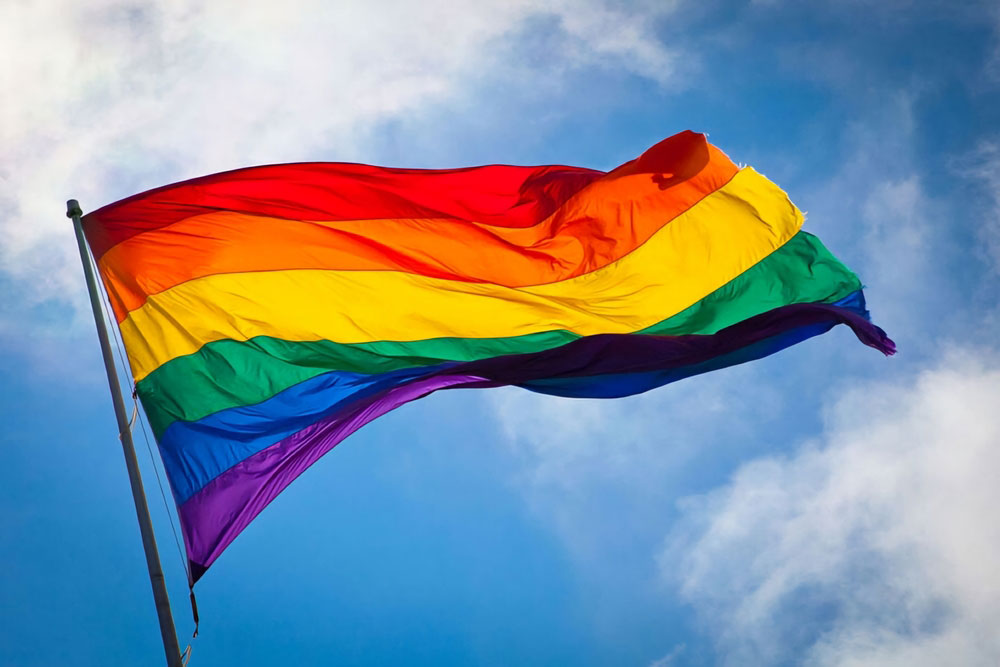
Dolly did this in her own way. She rarely lectured. She didn’t seem interested in shaming people or telling them what to think. Instead, she used her enormous platform to support people, celebrate differences, and quietly make the world a better place.
Strong Foundations and Family Connections
For all the cultural changes the Boomers ushered in, many also believed in the importance of strong foundations, lasting relationships, and family connections.
Like my own parents, Dolly and her husband had a marriage that stood the test of time. In an industry where relationships often seem disposable, there was something deeply comforting about that kind of commitment.
Faith Without Judgment
Dolly was never ashamed of her belief in God, and she often spoke about the role her faith played in grounding her.
But her faith never seemed to be about judging or excluding others. It was simply part of who she was.
That is something I deeply admired.
Refusing to Let Politics Divide Us
Perhaps one of the things I admired most about Dolly was her refusal to allow politics to become the most important thing about a person.
In an increasingly divided world, Dolly seemed to understand something that many of us have forgotten: we can disagree without hating each other.
We don’t all have to think alike to treat one another with kindness and respect.
The Healing Power of Laughter
Like my dad, Dolly understood that laughter is sometimes the best medicine.
She was brilliant, ambitious, and savvy, but she never took herself too seriously. She was happy to play with the “dumb blonde” stereotype while simultaneously building an empire and writing some of the most beautiful and enduring songs of the last century.
That combination of intelligence and humor was part of what made her so special.
Maybe We Thought She Would Always Be There
I think the real reason Dolly’s death hits so hard is that it reminds us that no one is immortal.
Dolly was candid about her love of fashion, makeup, wigs—and, of course, plastic surgery. She seemed to have fun with the whole thing. She remained remarkably youthful-looking, and perhaps that fooled us into believing that she would stay forever young and that she would always be there.
As the oldest Baby Boomers enter their ninth decade, Dolly’s passing reminds us that this generation is aging and, inevitably, leaving us.
For those of us who grew up with them, this is about more than losing famous entertainers, musicians, actors, or public figures. It is about losing parents, aunts, uncles, mentors, and the people who helped shape our understanding of the world.
It forces us to confront the uncomfortable reality that the people we once thought of as adults—the people who seemed permanent, capable, and somehow invincible—are not going to be here forever.
And neither are we.
Maybe that is why losing Dolly hurts so much.
She represented something familiar and comforting. She was there when we were children, when we entered adulthood, and, for some of us, during some of the darkest moments of our lives. Her music formed the soundtrack of our lives, but her impact went far beyond music.
Dolly reminded us that you could be wildly ambitious without being arrogant. That you could be successful without forgetting where you came from. That intelligence and humor could coexist. That femininity was not weakness. That faith did not require judgment. That kindness was not naïveté. And that you could stand up for what you believed in without making enemies of everyone who disagreed with you.
So perhaps the question now is not simply how we will cope with losing this generation.
The more important question is: How will we make sure their best qualities live on?
Because perhaps the greatest tribute we can pay to Dolly is not simply to keep listening to her music.
It is to carry forward a little more of what she represented: ambition, generosity, optimism, loyalty, faith, laughter, and kindness.
And maybe, every now and then, to put on a ridiculous outfit, laugh at ourselves, and remember not to take life—or ourselves—quite so seriously.
Thank you, Dolly.
You really did feel like family.